
Who Are Principalities in the Bible? Understanding the High-Ranking Powers Behind the Darkness Over Nations
Most believers have heard the word principalities, but very few have ever been taught what Scripture actually means by it. This teaching uncovers the biblical reality behind these high-ranking spiritual beings: once heavenly rulers appointed over the nations who later rebelled against God and corrupted the world systems we see today. Drawing from the divine council worldview, ancient Hebrew context, and key passages across both Old and New Testament, this article explains who these fallen princes are, how their influence still shapes culture, government, deception, and global rebellion... and why Christ’s victory has already disarmed their power. This is a clear, mature breakdown for believers who want to understand spiritual warfare beyond fear-based teachings... restoring a biblical framework that reveals the authority of Jesus, the destiny of the nations, and the confidence believers can walk in today.
BIBLICAL STUDIES
Kenny S. Rich
3/5/20263 min read
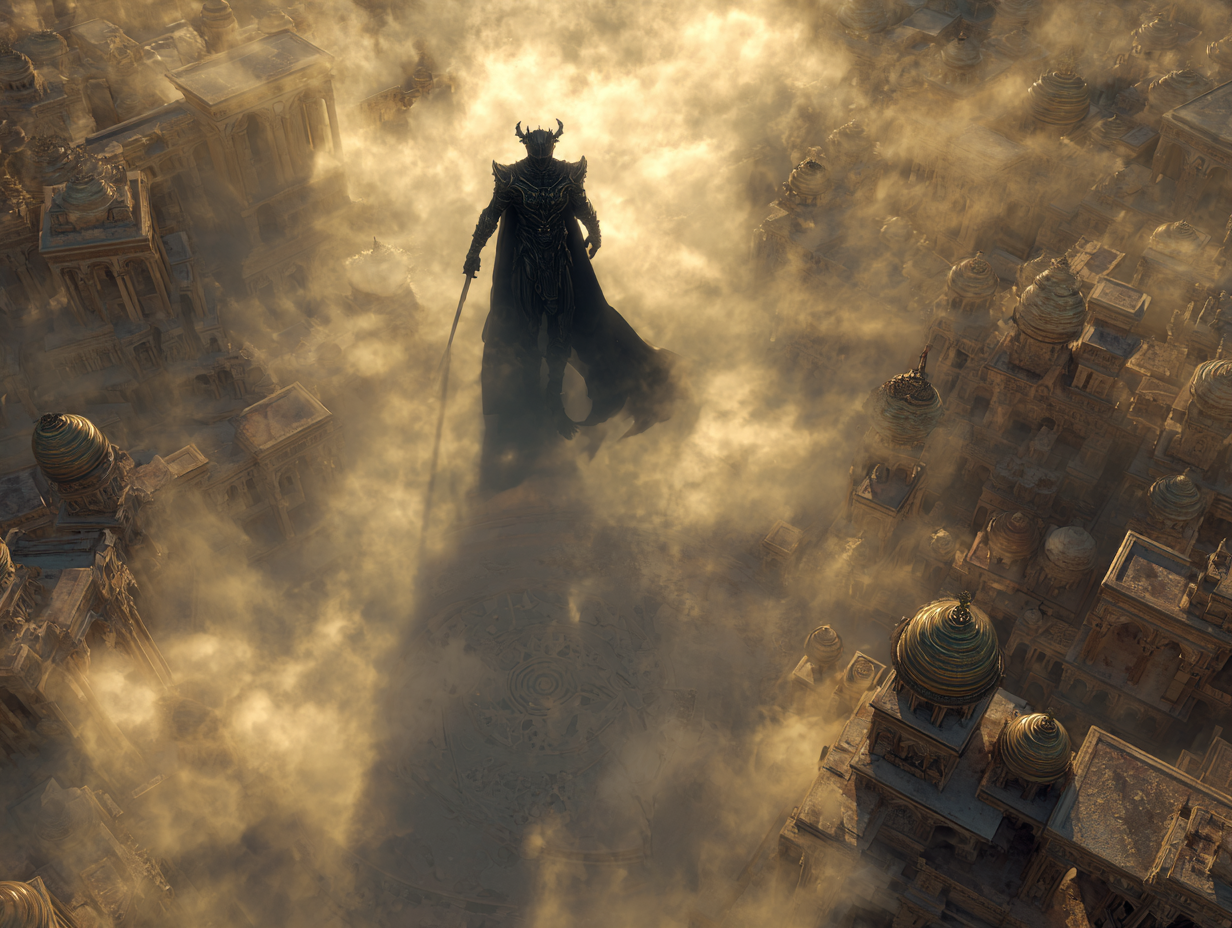
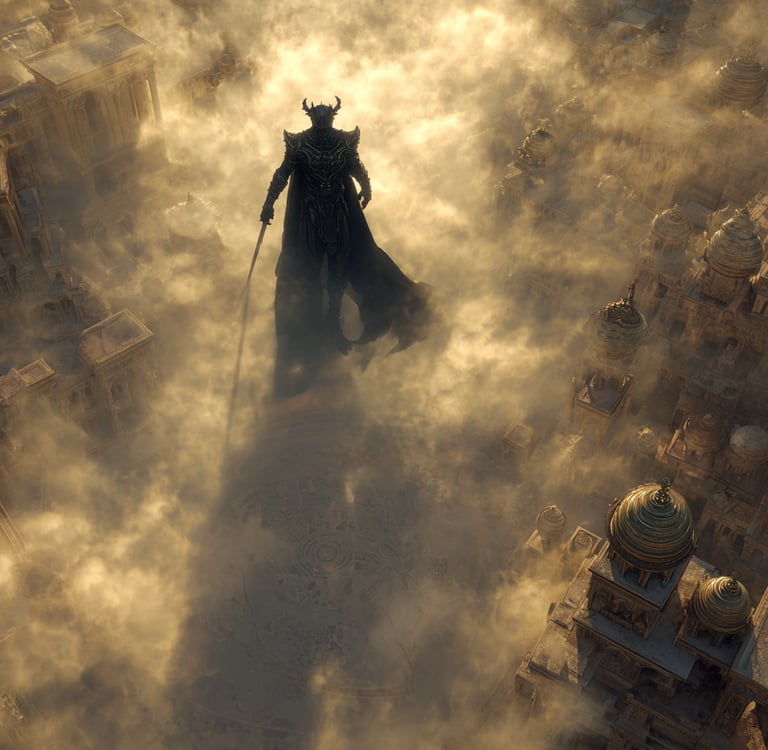
WHO ARE PRINCIPALITIES?
A Teaching for Mature Believers
Most Christians have heard the term “principalities” but were never taught what it truly means.
Many assume Paul was talking about low-level demons...
He wasn’t.
The subject is far deeper, older, and more important for understanding spiritual warfare today.
This teaching will break down the biblical concept of principalities in a clear and mature way...
without sensationalism... but with the revelation Scripture actually presents.
1. What Does “Principalities” Mean?
In the original Greek (ἀρχαί / archai), “principalities” refers to ruling princes or chief authorities... not minor spirits.
These beings were:
high-ranking sons of God (Genesis 6:1–4)
members of the divine council (Job 1–2)
placed over the nations after Babel (Deuteronomy 32:8)
meant to govern humanity under God’s authority (Genesis 6:1–4)
But they rebelled...
They became corrupt.
They led entire nations into darkness. (Psalm 82)
These are not “pesky demons”...
These are fallen princes who once held legitimate spiritual government.
2. Paul Was Not Talking About Demons
Demons attack individuals...
Principalities influence:
nations
systems
ideologies
cultures
governments
religions
Paul specifically listed them as a separate category in Ephesians 6:12:
“We wrestle not against flesh and blood,
but against principalities,
against powers,
against rulers of the darkness of this world,
against spiritual wickedness in high places.”
Each category is different.
Each functions at a different level.
Each has a different assignment.
Principalities sit at the top of that hierarchy.
3. Their Rebellion Shaped Human History
Throughout the Old Testament, you see glimpses of these fallen rulers:
Daniel’s “Prince of Persia” (Daniel 10:12–21)
territorial “gods” worshiped by nations
idols backed by real spiritual beings (1 Kings 18:25–29)
heavenly powers influencing kings and cultures (Exodus 7:11–12)
They weren’t imaginary.
They weren’t metaphors.
They were spiritual authorities who abandoned righteousness.
They used their influence to:
deceive nations
promote idolatry
manipulate rulers
entrench wickedness
oppose God’s purposes
Their corruption is why the world looks the way it does.
4. Christ Disarmed Them Completely
The good news:
“He disarmed principalities and powers…”
— Colossians 2:15
Christ stripped them of their legal authority.
But they still operate through:
deception
ignorance
sin
agreement
spiritual apathy
Which is why Paul warned believers not to underestimate them.
5. Why This Matters for Mature Believers Today
Understanding principalities explains:
why certain sins dominate nations
why ideologies spread with supernatural momentum
why political and cultural battles feel spiritual
why occult practices carry real power
why the church cannot rely on shallow teaching
why spiritual maturity is non-negotiable in this generation
We are not fighting shadows...
We are confronting ancient spiritual systems.
And yet…
Jesus has already won.
Our job is to stand, discern, and walk in authority... not fear.
Closing Word
Understanding principalities isn’t about fascination...
It’s about awareness... so believers stop sleepwalking through spiritual warfare.
Christ defeated them.
The gospel exposes them...
And maturity empowers us to stand firm.
Scripture References for Further Study
Ephesians 6:12 — Lists the hierarchy: principalities, powers, rulers of darkness, and spiritual wickedness in high places.
Daniel 10:12–21 — Reveals territorial princes (Prince of Persia, Prince of Greece) and angelic warfare in the unseen realm.
Colossians 2:15 — Christ disarmed principalities and powers through His victory on the cross.
Luke 4:5–7 — Satan offering Jesus “all the kingdoms of the world,” proving he had authority over nations at the time.
Psalm 82 — God rebukes the “gods,” sons of the Most High, for injustice and announces their judgment.
Genesis 6:1–4 — Sons of God (rebellious celestial beings) interacting with humanity before the flood.
Job 1–2 — Sons of God presenting themselves before the Lord, showing a divine council scene.
Revelation 13 — The beast system, global deception, and the Antichrist’s borrowed authority.
Revelation 12:7–12 — War in heaven, Satan cast down, and his intensified wrath in the last days.
Deuteronomy 32:8 (ESV/Septuagint) — Nations divided according to the number of the sons of God, showing territorial assignment.
Exodus 7:11–12 — Pharaoh’s magicians performing real supernatural acts; evidence of spiritual power at work.
1 Kings 18:25–29 — Prophets of Baal invoking spiritual power but unable to match the True God.
2 Corinthians 10:3–5 — Strongholds, arguments, and spiritual warfare in the realm of the mind.
Matthew 24:9–14 — End-time persecution and deception shaping the global spiritual landscape
Enriching lives one story at a time.
CONTACT KENNY
CONNECT WITH KENNY
+1 (945) 289-9632
© 2026. All rights reserved. Kenny S. Rich. Powered by The MRB Stack™. Website design by My Rich Brand.